
Everyday care
Exercise and nutrition across your menstrual cycle: what actually helps
Learn how to adapt exercise and nutrition to cycle symptoms, what evidence says about cycle syncing, and when changes deserve medical advice.
Key takeaways
- There is no evidence-backed phase-by-phase workout plan or menu. A meta-analysis found at most a trivial early-follicular dip, and its authors advised an individual approach instead of general rules.
- Adjust by symptom, not by cycle day: train as planned when you feel well, go gentler with cramps, and stop for sharp or worsening pain.
- Keep nutrition steady rather than phase-branded. Watch iron if bleeding is heavy — but have deficiency assessed rather than self-treating.
- Under-fuelling matters more than timing. Missed periods, recurrent bone stress injuries or declining performance deserve professional support.
You do not need a different workout plan or menu for every phase of your menstrual cycle. Research has not found a universal phase-by-phase formula that reliably improves exercise performance, recovery, or health. A steadier approach works better: move regularly, eat enough to support daily life and activity, and adjust when your own repeating symptoms call for it.
That does not mean the cycle is irrelevant. Cramps, heavy bleeding, headaches, sleep changes, low mood, or fatigue can affect how exercise feels. The useful question is not “What am I allowed to do in this phase?” but “What is my body telling me today, and is there a pattern worth acting on?”
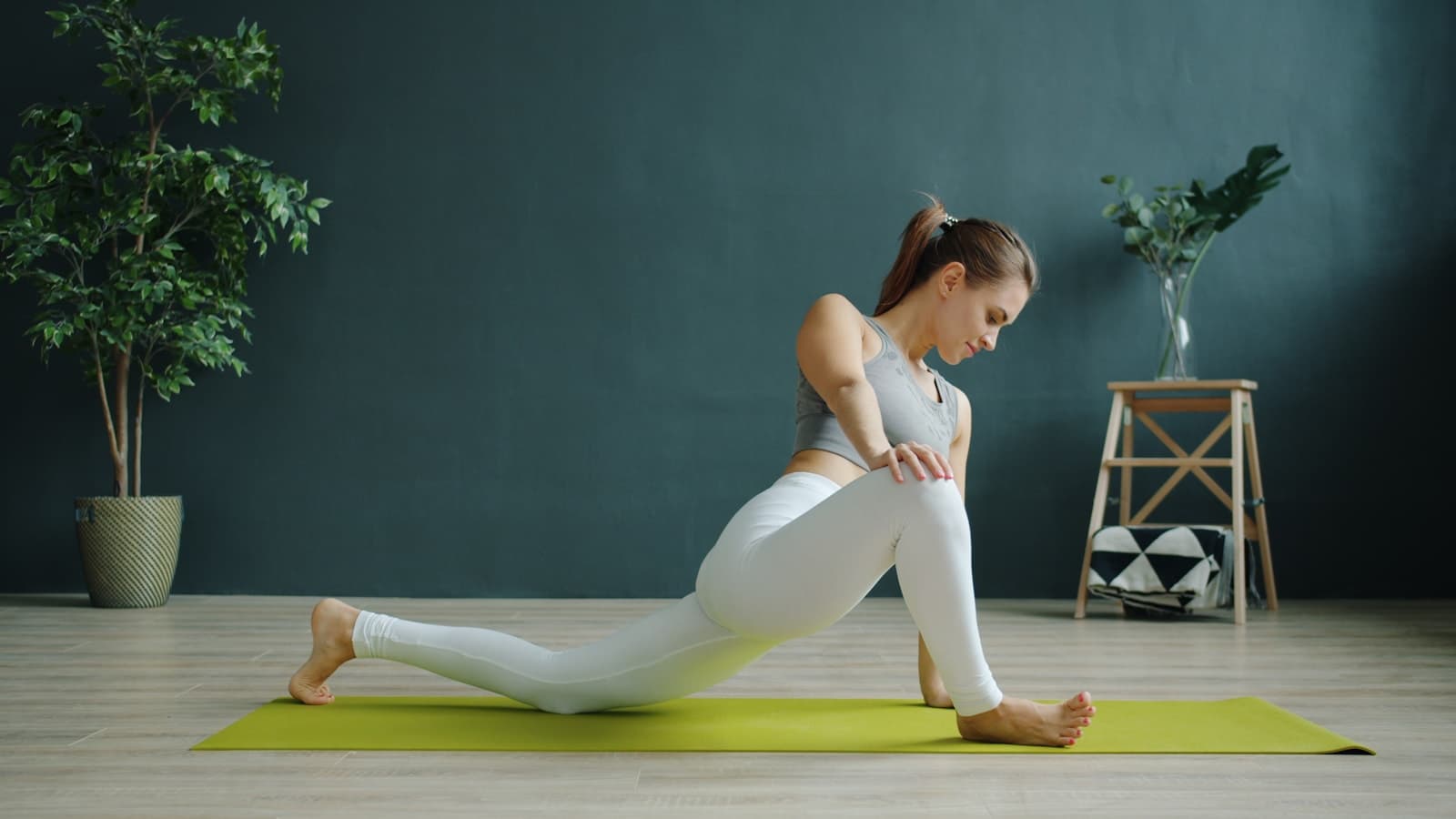
Does menstrual cycle phase change exercise performance?
Estrogen and progesterone change across an ovulatory cycle, so it is reasonable to ask whether strength, endurance, or recovery changes too. The answer from current research is less dramatic than many cycle-syncing charts suggest.
A systematic review and meta-analysis found a possible trivial reduction in exercise performance during the early follicular phase, which includes the start of a period, compared with other phases. The studies varied widely and most were rated low quality. The authors concluded that the evidence was not strong enough for general exercise rules and recommended an individualized approach.
There are important limits. Much of this research involved adults with regular cycles who were not using hormonal contraception. Studies define and confirm cycle phases in different ways, and a predicted cycle day does not prove a particular hormone level or confirm ovulation. If you need a refresher, the four menstrual cycle phases are explained here.
In practice, someone may feel consistently strong throughout the month, while someone else may prefer a lighter session when cramps or migraine symptoms appear. Both experiences can be valid without becoming a rule for everyone.
A symptom-led way to adjust exercise
If you feel well, there is no medical reason to avoid your usual activity simply because you are bleeding or an app labels a particular phase. General guidance from the CDC and ACOG encourages adults to build toward at least 150 minutes of moderate-intensity aerobic activity each week, plus muscle-strengthening activity on two days. Some movement is better than none, and the total can be divided into smaller sessions.
Treat that as a flexible health target, not a cycle-day quota. On any day:
- No disruptive symptoms: Continue the workout you planned, including strength or higher-intensity exercise if it is appropriate for your health and fitness.
- Mild cramps or stiffness: Try walking, easy cycling, swimming, mobility work, or yoga. The NHS includes gentle exercise among the measures that may ease period pain.
- Unusual fatigue, dizziness, or poor recovery: Reduce intensity, shorten the session, or rest. Consider sleep, illness, stress, fueling, and bleeding rather than assuming the cycle is the only cause.
- Pain that changes your movement: Stop instead of training through sharp, severe, or worsening pain. Exercise should not be used to prove that a symptom is harmless.
A planned easier day is an adjustment, not a failure. Likewise, feeling energetic around your period does not mean you need to hold back. For more detail on self-care and warning signs, read the guide to period cramps.
Nutrition across the cycle: keep the foundation steady
There is not enough evidence for a mandatory food list for each menstrual phase. You do not need a “follicular diet,” a luteal detox, or routine phase-specific supplements.
A practical foundation is regular meals that provide enough overall energy and a varied mix of carbohydrates, protein foods, fats, fruit, vegetables, and other foods that fit your needs, culture, access, and preferences. Carbohydrates help fuel activity, while protein supports repair and adaptation. Hydration needs depend more on exercise duration, intensity, heat, sweat, and the individual than on a calendar label.
Premenstrual appetite or cravings can change. That is not a sign of poor discipline. The NHS recommends a healthy, balanced diet for PMS and notes that some people find smaller, more frequent meals helpful. ACOG also suggests complex-carbohydrate and calcium-rich foods as possible dietary measures for mild to moderate PMS symptoms. These are options, not a promise that one food will correct a hormone imbalance.
Pay attention to iron, especially with heavy bleeding
Menstrual blood contains iron. Heavy or prolonged periods can contribute to iron-deficiency anemia, which may cause fatigue, weakness, dizziness, headaches, or shortness of breath with activity. Iron is available from foods such as meat, fish, eggs, beans, peas, leafy greens, and fortified foods; vitamin C helps the body absorb iron from plant sources.
Do not assume tiredness means low iron, and do not start high-dose iron solely from a tracker pattern. A clinician can assess the bleeding, symptoms, diet, and whether blood tests are appropriate. The heavy-flow guide explains what details are useful to track.
Fueling matters more than rigid cycle timing
Regularly exercising without enough energy intake can leave too little energy for the body’s other needs. The International Olympic Committee describes prolonged or severe low energy availability as a cause of Relative Energy Deficiency in Sport, which can affect reproductive function, bone health, immunity, recovery, and performance.
This concern is not limited to elite athletes or people with a particular body size. Persistently missed periods, recurrent bone stress injuries, ongoing fatigue, declining performance, or a rigid need to compensate for food with exercise deserve professional support. Simply adding a phase-branded supplement is not a solution.
A useful exercise-and-cycle tracking checklist
For two or three cycles, keep the record brief enough that you will actually use it:
- Bleeding — first day, and how long it lasts
- Flow level, and whether it interrupts sleep or activity
- The session — type, duration, and approximate intensity
- Perceived effort on a simple 0-to-3 scale
- Symptoms — cramps, headache, digestive changes, breast tenderness, mood, energy
- Context — sleep quality, illness, major stress, travel, or unusually hot weather
- Fuelling — whether you ate before or after a demanding session, and recovered normally
- Changes — contraception, medicine, or training plan
Look for a repeatable, useful pattern. “Severe cramps shortened my run on the first bleeding day in three cycles” is actionable. “My app says luteal phase, so I must be weaker” is an assumption.
Change one thing at a time. You might move a hard session by a day, choose a lower-impact activity when pain appears, prepare a snack for a long workout, or schedule extra recovery after poor sleep. If tracking makes food or exercise feel more rigid, scale it back.
Flowy can keep period dates and selected symptoms together so you can describe patterns more clearly. It does not measure hormone levels, confirm ovulation, diagnose a condition, or prescribe training and nutrition. Cycle and fertility predictions are estimates, and a general period tracker is not contraception.
When to contact a healthcare professional
Arrange medical advice if:
- Period pain is worsening, stopping usual activities, or changing how you can move
- Periods change markedly — much heavier, persistently irregular, or stopping unexpectedly
- You bleed between periods or after sex
- Fatigue, weakness, dizziness, headaches or breathlessness keep arriving with heavy bleeding or exercise
- Recovery is failing — recurrent injuries, declining performance, or a sense that you are not eating enough for your activity
- Premenstrual symptoms interfere with work, school, relationships, sleep, eating, or exercise
The NHS advises urgent assessment when pelvic or period pain is severe or worse than usual and pain relief has not helped. Seek urgent local help for chest pain, severe shortness of breath, fainting, or any symptom that feels immediately unsafe.
A clinician may ask about bleeding, pain, pregnancy possibility, medicines, contraception, eating patterns, training load, and other health changes. A short tracking record can help, but it cannot diagnose the cause.
Frequently asked questions
Should I change my workout for every menstrual phase?
No universal phase-based plan is supported by strong evidence. Keep a balanced routine and adjust for your health, goals, recovery, and repeated symptoms rather than a generic calendar.
Is it okay to exercise during a period?
Yes, if you feel well and exercise is otherwise appropriate for you. Gentle movement may help some people with cramps, but rest or a lighter session is also reasonable. Severe or worsening pain deserves assessment.
Do I need supplements for different phases?
Not routinely. Supplements can cause side effects, interact with medicines, or provide too much of a nutrient. Ask a clinician or pharmacist before using one to treat cycle symptoms, and have possible iron deficiency assessed rather than self-diagnosing it.
Can tracking show which phase is best for performance?
It may reveal a personal symptom pattern, but a calendar cannot measure hormones or prove why one workout felt different. Sleep, stress, food, illness, environment, and training load can all matter.
This article is for general education only. It is not a diagnosis, individualized medical or nutrition advice, or a substitute for care from a qualified healthcare professional.
References
- American College of Obstetricians and Gynecologists: Staying active, physical activity and exercise
- Sports Medicine: Menstrual cycle phase and exercise performance, a systematic review and meta-analysis
- American College of Obstetricians and Gynecologists: Premenstrual syndrome
- NHS: Period pain
- U.S. Office on Women's Health: Iron-deficiency anemia
- British Journal of Sports Medicine: 2023 IOC consensus statement on Relative Energy Deficiency in Sport