
Everyday care
Period products and safe use: pads, tampons, cups, and discs
A practical guide to period products: how they differ, how often to change each, what regulators actually advise, and the warning signs that need urgent care.
Most advice about period products is either a marketing claim or a half-remembered rule from school. The regulators are more specific than either, and their guidance is short enough to be worth reading directly.
In the United States, tampons, menstrual cups, and pads and liners are all regulated by the FDA as medical devices. Its general advice is easy to summarise: wash your hands before and after, use tampons and cups only during your period, and change products regularly, because a product worn too long allows harmful bacteria to grow.
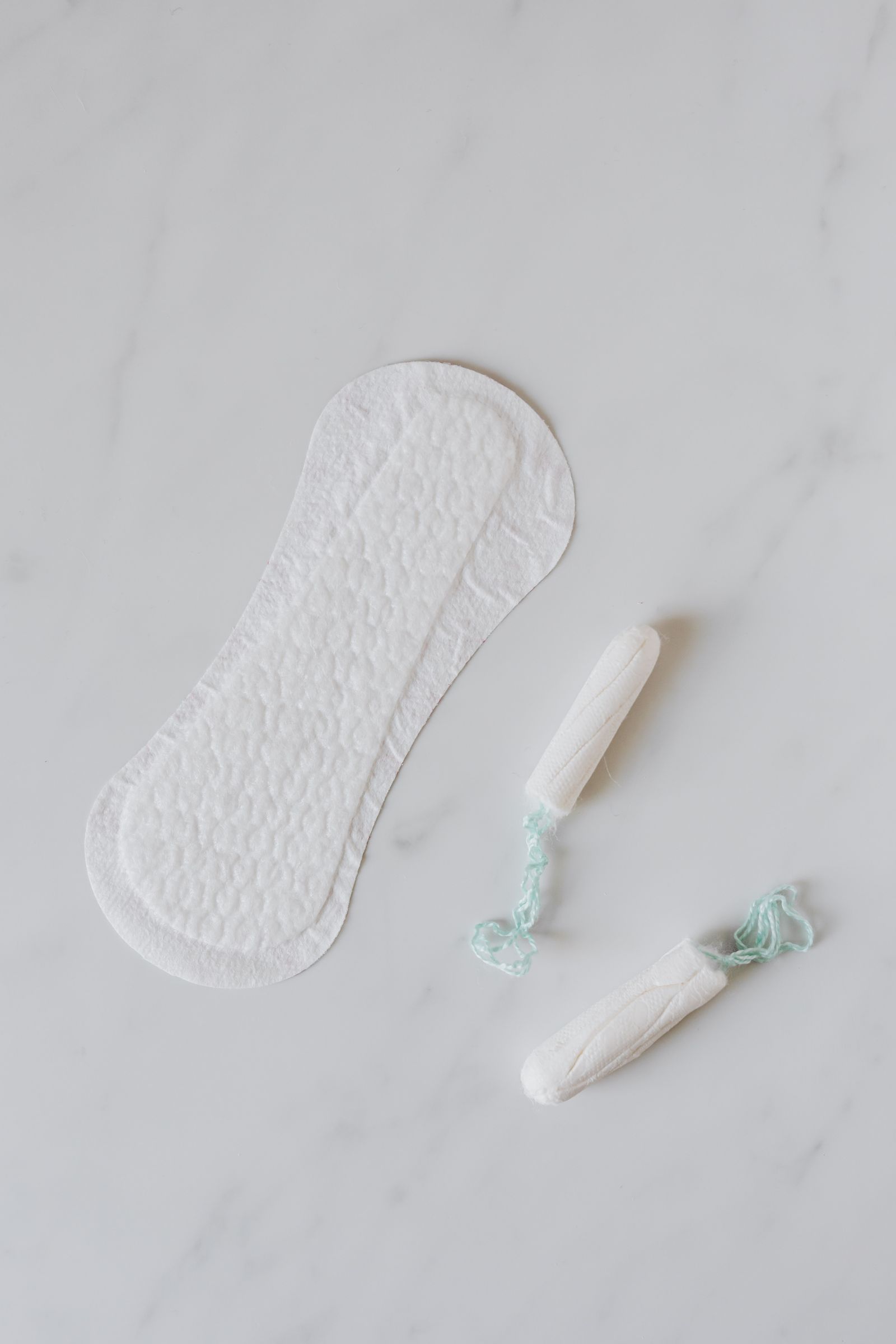
Photo by Karola G on Pexels.
The main options
The NHS describes four broad categories, and the differences are more practical than moral:
- Pads are worn in your underwear and absorb flow after it leaves the body. They come in a range of sizes and absorbencies, including reusable versions. Pantyliners are thinner, for light days or as backup.
- Tampons are inserted into the vagina and absorb flow before it leaves the body. They come with or without an applicator and have a removal string. The NHS notes plainly that it is not possible for a tampon to get lost inside you.
- Menstrual cups are inserted and collect rather than absorb flow. Most are silicone or rubber and are washed and reused.
- Period underwear is absorbent, washable, and reusable, either as a main product or as backup.
Menstrual discs work similarly to cups but sit differently, and follow the manufacturer's instructions for wear time and cleaning in the same way. Pads may also be used for non-menstrual discharge; tampons and cups should not be, which is one of the clearest lines in the FDA's guidance.
How often to change each
This is where specific numbers help.
Tampons. The FDA says to change each tampon every four to eight hours, and never to wear a single tampon for more than eight hours. It also advises using the lowest absorbency you need for your flow: if one tampon comfortably lasts eight hours without leaking, the absorbency may be higher than necessary. Tampons are single-use, and the FDA specifically discourages reusable tampons, which have not been cleared or approved.
Menstrual cups. The FDA says a cup may be left in place for up to 12 hours, with removal typically every 8 to 12 hours. Wash the cup with soap and water following the instructions before insertion, and between cycles wash it and then place it in boiling water for one to two minutes. Cups come in different sizes, generally smaller for lighter days and larger for heavier ones. The FDA also flags that a cup may interfere with an intrauterine device, that cups should not be used for non-menstrual bleeding, and that latex-based materials can cause allergic reactions.
Pads and period underwear. There is no bacterial-growth clock in the same way, but both are usually changed every few hours based on flow and comfort, and sooner if skin is irritated. Reusable versions should be washed according to their instructions.
If your flow means you are changing a pad or tampon every one to two hours, or emptying a cup far more often than its guidance, that itself is a marker of heavy bleeding rather than a product problem. Heavy periods, iron, and anaemia covers why that is worth raising, and period blood colour, clots, and flow covers what those observations do and do not indicate.
Toxic shock syndrome, in proportion
Toxic shock syndrome is rare and it is serious, and both halves of that sentence matter.
The NHS describes TSS as a rare but life-threatening condition caused by an infection, and lists tampons and menstrual cups among the possible triggers alongside contraceptive devices, infected wounds, and complications of childbirth. A previous episode of TSS meaningfully increases the risk of another.
The FDA describes the warning signs to watch for during or just after a period: sudden fever of 102°F (about 38.9°C) or higher, vomiting or diarrhoea, fainting or dizziness, and a rash that looks like sunburn, often on the palms and soles. The NHS adds muscle aches and flu-like symptoms, and lists confusion, difficulty breathing, a rash that does not fade when pressed, and peeling skin among the signs needing emergency care.
What to do is unambiguous. The FDA advises stopping tampon use and seeking medical attention immediately if these symptoms appear. The NHS advises removing the menstrual product and telling the healthcare professional that you were using one, and calling 999 for the most severe symptoms or 111 for milder ones. Use the emergency and urgent-care numbers for your own country.
Prevention is the boring version of the same guidance: follow the insertion and removal instructions for your product, do not exceed the recommended wear time, and if you have had TSS before, discuss which products are appropriate for you with a clinician.
Comfort, skin, and hygiene
A few things that come up often:
- You do not need to clean inside the vagina. It does not require douching or internal washing, and douching can disturb the normal balance. Washing the external area with water, and mild unfragranced soap if you want it, is enough. Cervical mucus and vaginal discharge covers what everyday changes usually look like.
- Fragranced products can irritate. If you get itching, soreness, or a rash with a particular brand or scented liner, switching to unfragranced is a reasonable first step.
- Insertion should not be painful. Difficulty or pain inserting a tampon or cup is worth mentioning to a clinician rather than pushing through repeatedly.
- Cups need water and privacy. Emptying and rinsing a cup is harder in a public bathroom or without clean water, which is a genuine practical constraint rather than a preference.
- Sleep is a real constraint too. If your flow outlasts the maximum wear time overnight, a pad or period underwear may be the more workable option than setting an alarm.
A practical tracking checklist
Product notes are surprisingly informative when a clinician asks how heavy your periods are:
- which product and absorbency you used, and on which day of your period
- how often you changed or emptied it, especially on your heaviest day
- leaks, flooding, or needing to change overnight
- whether you needed a higher absorbency than usual for you
- skin irritation, itching, soreness, or a rash, and which product you were using
- any difficulty or pain with insertion or removal
- days when your flow made work, study, sport, or sleep harder
Tracking a few meaningful things is more sustainable than logging every change, and product use is one of the more useful few.
When to contact a healthcare professional
The FDA advises contacting a healthcare provider for pain, fever, or unusual symptoms while using a menstrual product, and for itching, rash, pain, swelling, or discomfort associated with a cup.
Book an appointment for recurring irritation with several products, pain on insertion or removal, unusual discharge or a new smell, bleeding that is heavy enough to affect your life, or bleeding between periods. If cramps rather than flow are the main problem, period cramps has a focused checklist.
Seek emergency care for the TSS symptoms above, particularly a sudden high fever with vomiting, dizziness or fainting, or a sunburn-like rash while using a tampon or cup. Remove the product and say that you were using one. Also seek urgent help if you soak through a pad or tampon every hour for two hours or more, or if you feel faint or breathless with heavy bleeding.
Frequently asked questions
Can a tampon get lost inside me?
No. The NHS states this directly. The vagina is a closed space, and a tampon cannot travel beyond it. If you cannot remove one, contact a healthcare professional rather than leaving it.
Is it safe to sleep with a tampon in?
Only within the wear-time limit. The FDA says never to wear a single tampon for more than eight hours, so it depends on how long you sleep. If your night is longer than that, a pad or period underwear avoids the problem.
Are cups safer than tampons for toxic shock syndrome?
Not automatically. The NHS lists menstrual cups alongside tampons among products associated with TSS. Both are safe for most people when used according to their instructions, including wear time and cleaning.
Should I use the highest absorbency to avoid leaks?
No. The FDA advises using the lowest absorbency needed for your flow. Persistent leaks despite frequent changing are a sign to discuss heavy bleeding with a clinician rather than to size up indefinitely.
Do I need to change a menstrual cup as often as a tampon?
No. The FDA says a cup may be left in place for up to 12 hours, compared with a maximum of eight for a tampon. Follow the instructions for your specific product, and empty it sooner on heavy days.
Flowy can keep your bleeding days and a few notes about flow in one private record, which makes heavy periods easier to describe accurately. It cannot recommend a product, diagnose an infection, or replace a healthcare professional.
This article is for general education only. It is not a diagnosis, individualized medical advice, or a substitute for care from a qualified healthcare professional.