
Everyday care
Gas before your period: why it happens and what helps
Gas and trapped wind around a period are common and usually mild. What the research links them to, what the NHS suggests, and when to see a GP.
Key takeaways
- Bloating is one of the most common symptoms around a period. In a 2014 clinic survey, 62% of women had it in the five days before bleeding. Gas on its own has barely been studied.
- The usual explanation is two hormone shifts: progesterone may slow the gut before a period, and prostaglandins speed it up once bleeding starts. The evidence for both is mixed.
- The NHS suggests smaller meals, eating slowly, regular exercise and peppermint tea, and a pharmacist can recommend simeticone. Ibuprofen, often taken for cramps, can itself cause wind.
- Gas with weight loss you did not try for, blood in your poo, or bloating that does not go away is not a period symptom. See a GP.
Gas before a period is common, and it usually means nothing more than an awkward few days. It tends to arrive with bloating in the run-up to bleeding and settle once the period is under way. What the research cannot tell you yet is exactly why, because gas has been studied far less than period pain or bowel changes.
This guide covers what is known, what helps, and the gut symptoms that point to something other than your cycle.
How common is gas around a period?
Common, but poorly measured. The best numbers are for bloating rather than gas itself:
- Bloating: a 2014 study in BMC Women's Health surveyed 156 women at a gynaecology clinic with no known gut condition. 62% had bloating in the five days before a period and 51% during it, making it the most frequent of the secondary gut symptoms the study asked about. It did not ask about gas or wind separately.
- Flatulence: in a 2013 study at one Korean hospital, 22% of 44 healthy women said their flatulence changed with their cycle, compared with 53% of 47 women with inflammatory bowel disease.
- Timing: a 2020 study of 78 women on the pill tracked a daily score for indigestion, which covered rumbling, bloating, burping and gas. It peaked on the first day of bleeding. For most participants that peak meant slight or mild discomfort, not severe symptoms.
Each of these is small, and none measured hormones alongside gas. Together they say gas and bloating around a period are common and usually mild, not why they happen.
Why your period can make you gassy
Two hormone changes are the usual explanation. Neither has been proven to cause gas specifically.
Before a period: progesterone. Progesterone rises after ovulation and stays high until just before your period. A 1981 study in Gastroenterology of 15 women found food moved through the gut more slowly in this luteal phase. A 1996 study in Gut judged any effect of menstrual hormones on gut transit to be small and of doubtful clinical significance, so this is a possible contributor, not a settled cause. A slower gut is one reason the days before a period can feel full and bloated. Our guide to bloating before your period covers that side in more detail.
As bleeding starts: prostaglandins. These are the chemicals that make the uterus contract and cause period cramps. The authors of the 2014 study note that in the gut, prostaglandins can make smooth muscle contract and make the small bowel absorb less salt and water. That may explain why gut symptoms, gas and loose stools included, often peak on the first day of a period. It is still not known whether prostaglandins from the uterus reach the gut, or whether both organs change in parallel. The guide to period poop and diarrhoea goes into the bowel side.
Other things that change around a period. Many people eat more or differently in the week before a period, which our guide to premenstrual cravings covers. The NHS advises against eating lots of foods known to cause gas, such as cabbage, beans or lentils. It also lists non-steroidal anti-inflammatory drugs (NSAIDs) such as ibuprofen, which many people take for cramps, as a possible cause of excess wind.
What helps
These steps come from NHS guidance on farting and bloating:
- Eat smaller meals, more often, rather than large ones, and avoid a big meal late at night.
- Eat and drink slowly, with your mouth closed, so you swallow less air.
- Exercise regularly. The NHS says it helps digestion and can ease bloating when you already feel it.
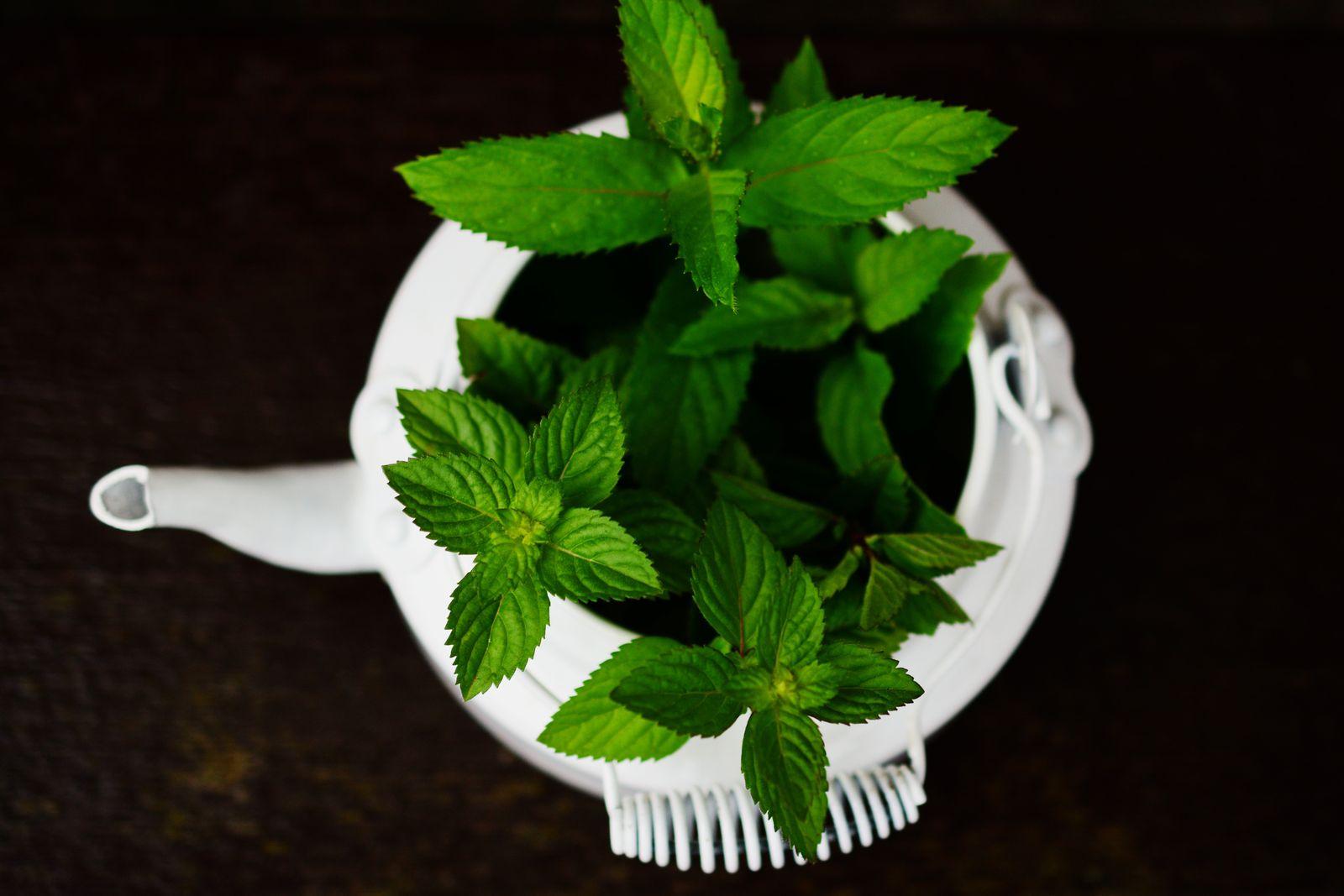
- Try peppermint tea.
- Drink plenty of water. If you are constipated, add foods high in soluble fibre, such as oats or linseed.
- Go easy on the usual culprits: foods known to cause gas, fizzy drinks, alcohol, and caffeine in coffee and tea. The NHS also suggests not smoking or chewing gum.
- Massage your stomach from right to left, which the NHS suggests to help release trapped wind.
- Ask a pharmacist about simeticone, which the NHS lists for wind and bloating.
If you take ibuprofen for period pain and notice more wind, it is still a reasonable choice for cramps. A pharmacist can talk through alternatives. The guide to severe period cramps covers pain relief in order of evidence.
When gas is not a period symptom
A cycle pattern is reassuring when the gas arrives before your period and eases once bleeding starts. Gas or bloating that is there most days, whatever the cycle, is a different pattern. These thresholds come from the NHS pages on farting, bloating and ovarian cancer symptoms.
See a GP if:
- gas is affecting your life and self-help and pharmacy treatments have not worked
- you have a stomach ache or bloating that does not go away, or keeps coming back
- you keep getting constipation or diarrhoea
- you have lost weight without trying
- you have had blood in your poo
Get an urgent GP appointment or call NHS 111 if you have bloating with vomiting, diarrhoea or constipation, bloating with a stomach ache, a high temperature, a swelling or lump in your tummy, or you cannot pee, poo or fart. Outside the UK, contact your doctor's urgent line or local urgent care.
Call 999 or go to A&E if your stomach is swollen and you have a sudden, severe stomach ache, you are vomiting blood, or you are struggling to breathe. Outside the UK, call your local emergency number.
The NHS also notes that bloating that does not go away can be a sign of ovarian cancer, listing a swollen tummy or feeling bloated frequently, roughly 12 or more times a month, among its symptoms. NICE guidance asks GPs to test for persistent or frequent bloating, particularly in people aged 50 or over. Gas that comes and goes with your period is not that pattern, but bloating on most days is worth a GP visit whatever your cycle is doing.
What is worth writing down
A short record answers the question a GP will ask first: does it follow your cycle?
- Timing: which cycle day the gas starts, and whether it eases once bleeding begins
- Other gut symptoms: bloating, cramps, constipation or loose stools
- Food and drink: anything unusual that day, including cravings
- Painkillers: what you took for cramps, and when
In Flowy's day log, digestion has its own section, with options for bloated, gassy, heartburn and nauseous, and stool is logged separately. Flowy cannot tell you why your gut is doing what it is doing. It can show whether the pattern follows your cycle. Our guide to preparing a symptom diary for an appointment covers turning a few cycles of notes into a short summary.
Frequently asked questions
Is gas a sign my period is coming?
For some people it is part of their usual premenstrual pattern, and the NHS lists bloating among the most common symptoms of PMS. On its own it is not a reliable sign, because gas and bloating happen at other times too.
Is gas before a period a sign of pregnancy?
It cannot tell you either way, because bloating and gas are common before a period and in early pregnancy. A test can. The NHS says most tests are reliable from the first day of a missed period. Our guide to pregnancy test timing has the details.
Why do I fart more on my period?
The likeliest explanation is prostaglandins, which rise at the start of a period and affect gut muscle as well as the uterus. In the 2020 study, gut symptoms including gas peaked on the first day of bleeding. For most people this is mild and settles within a few days.
The short version
Gas around a period is common and usually mild, and it tends to follow bloating before bleeding and settle once the period starts. Smaller meals, eating slowly, exercise and peppermint tea are the NHS's first suggestions. Gas with weight loss, blood in your poo, or bloating that will not go away needs a GP, whatever your cycle is doing.
Educational note: This article provides general information and is not a diagnosis or a substitute for individualised medical care.
References
- Bernstein MT et al. Gastrointestinal symptoms before and during menses in healthy women. BMC Women's Health, 2014
- Lim SM et al. The effect of the menstrual cycle on inflammatory bowel disease: a prospective study. Gut and Liver, 2013
- Judkins TC et al. Stool frequency and form and gastrointestinal symptoms differ by day of the menstrual cycle in healthy adult women taking oral contraceptives. BMC Women's Health, 2020
- Wald A et al. Gastrointestinal transit: the effect of the menstrual cycle. Gastroenterology, 1981
- Degen LP, Phillips SF. Variability of gastrointestinal transit in healthy women and men. Gut, 1996
- NHS: Farting (flatulence)
- NHS: Bloating
- NHS: PMS (premenstrual syndrome)
- NHS: Ovarian cancer symptoms
- NICE NG12: Suspected cancer, recognition and referral
- NHS: Doing a pregnancy test