
Birth control
IUD insertion pain: what to ask for before you go in
How much coil fitting hurts, which pain relief the evidence supports, and the questions to ask before your appointment so you get a plan that suits you.
Key takeaways
- Most people feel some pain during a coil fitting. For most it is mild to moderate and settles within minutes, but a minority have severe pain, and clinicians can underestimate it.
- US guidance from 2024 says everyone should be told about possible pain before an IUD fitting and agree a pain plan. UK guidance says clinics should offer pain relief, or refer you to a service that can.
- Local anaesthetic, such as a lidocaine spray or an injection around the cervix, may reduce fitting pain. Ibuprofen taken beforehand has not been shown to reduce fitting pain, though it helps the cramps afterwards.
- You can ask for the fitting to stop at any time. Get urgent advice afterwards for worsening pain, a high temperature, smelly discharge, very heavy bleeding, or threads you cannot feel.
Most people feel some pain when an IUD (copper coil) or IUS (hormonal coil) is fitted. For most it is mild to moderate and fades within minutes, but some people find it severe. You can ask what pain relief the clinic offers before you book, and you can ask for the fitting to stop at any time.
Guidance has moved towards planning for pain. In 2024 the US Centers for Disease Control and Prevention (CDC) said everyone should be told about possible pain before an IUD fitting and agree a pain plan based on their preferences. In the UK, the Faculty of Sexual and Reproductive Healthcare (FSRH), now the College of Sexual and Reproductive Healthcare, says clinicians should offer appropriate pain relief, refer you to another provider if they cannot, and make sure you know you can ask them to stop.
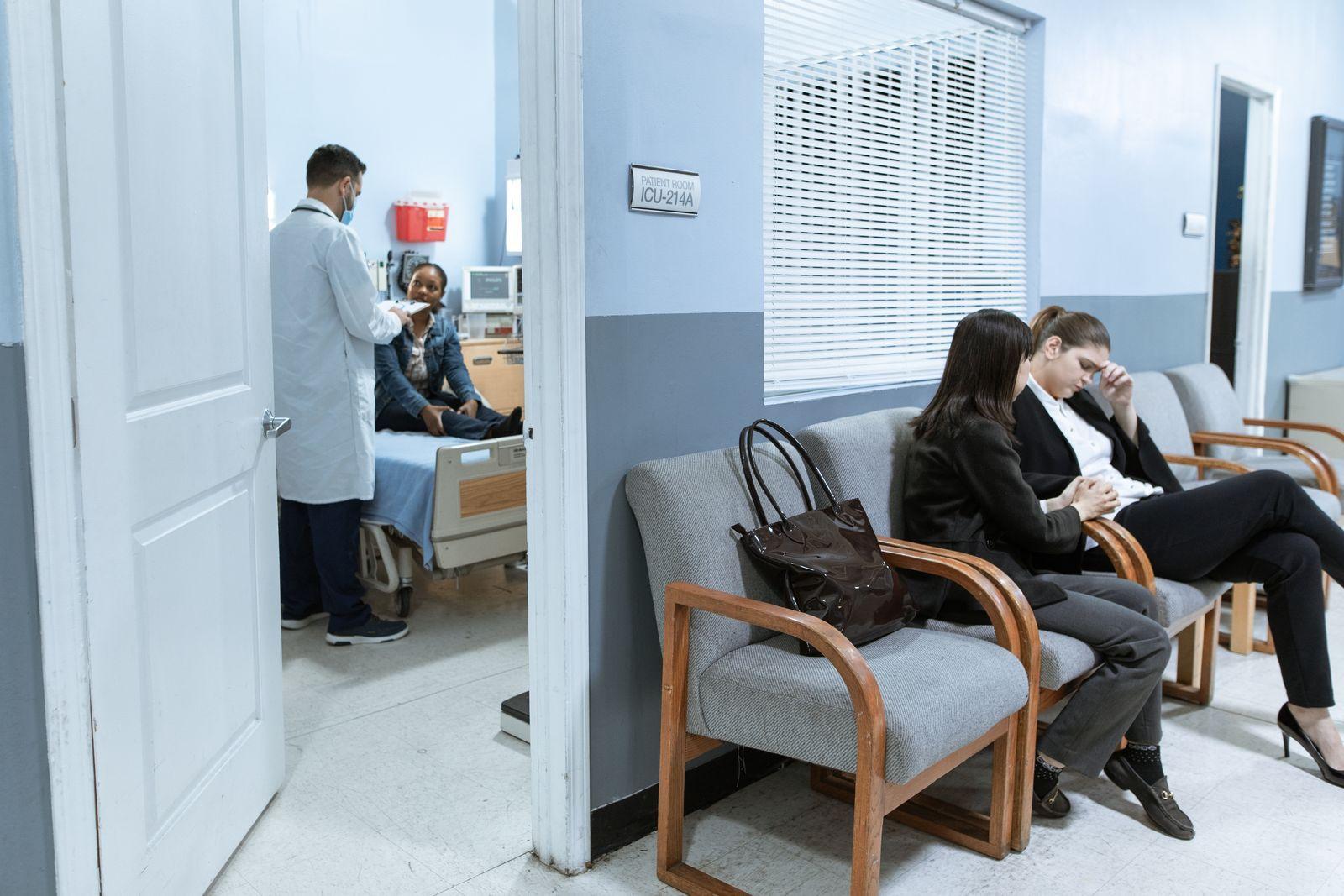
How much does a coil fitting hurt?
The FSRH's 2021 statement on fitting pain summarises the research. Most people report mild or moderate pain during insertion, even without pain relief, and average pain scores are low by five minutes afterwards. A minority report severe pain, and the statement notes that clinicians may underestimate how anxious and sore people feel.
Pain can come at each stage of the fitting:
- The speculum, the same instrument used for cervical screening
- The tenaculum, which holds the cervix steady
- Measuring the womb, which guides where the device sits
- Placing the device through the cervix
The statement singles out measuring the womb and placing the device as the stages where pain is most likely.
The NHS says a fitting takes about 5 to 10 minutes, and to allow at least 30 minutes for the appointment. Period-like pain for a few days afterwards, and some light bleeding, are common.
Who is more likely to find it painful
The FSRH statement lists factors linked with higher pain scores on average:
- Never having given birth, or having given birth only by caesarean
- A history of painful periods
- More anxiety, or expecting more pain, before the fitting
- Past painful gynaecological or pregnancy procedures, which can raise how much pain people expect
None of these predicts how one person will feel. They are reasons to ask about pain relief in advance, not reasons to avoid a method that suits you. If period pain is severe for you, mention it when you book.
What pain relief the evidence supports
| Option | What the guidance says |
|---|---|
| Ibuprofen or paracetamol beforehand | The NHS suggests taking them an hour before. The FSRH notes that studies have not shown ibuprofen taken beforehand reduces fitting pain, though anti-inflammatory painkillers do help the cramps afterwards. |
| Naproxen or ketoprofen an hour before | The FSRH says these could help, based on small trials. They may need a prescription. |
| Lidocaine spray on the cervix | Trials of 10% lidocaine spray found lower pain scores, and the CDC says topical lidocaine might reduce pain. |
| Lidocaine injection around or into the cervix | Paracervical and intracervical blocks reduced pain in several trials, and the CDC says a paracervical block might help. The injection itself can sting. |
| Lidocaine and prilocaine (EMLA) cream | The FSRH says it could reduce pain at the tenaculum and insertion stages. |
| Lidocaine gel | 2% lidocaine gel did not significantly reduce insertion pain in studies. |
| Misoprostol to soften the cervix | The CDC does not recommend it routinely, and says it might increase pain. |
| A support person | The FSRH describes an assistant who talks to you and helps distract you as a real benefit. |
The FSRH says there is no single best option. Which ones a clinic offers depends on its staff and supplies, so ask before the day.
What to ask before your appointment
Ask when you book, not on the couch, so the clinic has time to plan:
- "What pain relief do you offer for coil fittings? Can I have a local anaesthetic spray or injection?"
- "If you cannot offer that, can you refer me to a service that can?"
- "Will someone be with me during the fitting, and can I bring a friend?"
- "How do I tell you to stop, and will you stop straight away?"
- "Is there anything I should take beforehand?"
Also say if anything makes the fitting harder for you: painful periods, a past painful or distressing procedure, or trauma that makes internal examinations difficult. You do not need to give details. "I find internal exams very difficult" is enough to start a conversation about options.
On the day
- Tell the person fitting the device if it hurts. The NHS says they may be able to offer extra pain relief, such as local anaesthesia.
- Ask to stop at any time. Both the NHS and the FSRH say you can.
- Plan for cramps afterwards. Anti-inflammatory painkillers help with pain after the fitting, and a hot water bottle can too.
When to get help after a fitting
The NHS says to ask for an urgent GP appointment or contact NHS 111 (outside the UK, your local urgent care service) if, after an IUD or IUS fitting:
- You have pain in your lower tummy that painkillers do not help
- You get sudden pain in your lower tummy that gets worse or does not go away
- You have a high temperature
- You have abnormal or smelly discharge
- You have very heavy bleeding
- You think you might be pregnant
- You cannot feel the threads, or they feel different
The NHS lists infection, usually within three weeks of fitting, and the device moving or coming out, usually within three months, among the rare risks. If you cannot feel the threads, the NHS says you might not be protected against pregnancy. If you have had sex recently, ask a pharmacist, GP or sexual health clinic about emergency contraception straight away. The NHS says it needs to be used within 3 to 5 days of sex, and usually works better the sooner you use it. If you have a hormonal coil, the NHS adds that the IUS can make some types of emergency contraception less effective, so ask which option suits you. Use another method of contraception until a doctor or nurse has checked the device.
Tracking the first months
In Flowy you can log cramps as a symptom, record spotting or bleeding with the flow level, and add notes, such as the fitting date and how long the cramps lasted. A hormonal coil often changes bleeding over the first three to six months, and a copper coil can make periods heavier. The guide to birth control and bleeding changes explains what is expected for each. Flowy's period estimates count forward from the last period date and cycle length you set, and they do not change because you have had a coil fitted, so treat them as rough while your bleeding settles.
Frequently asked questions
Does it hurt more if I have not had a baby?
On average, yes. The FSRH statement reports higher pain scores among people who have never given birth or have only had caesarean births. That is a reason to ask about local anaesthetic, not a reason to rule out a coil.
Can I ask for local anaesthetic?
Yes. The NHS says clinics may be able to offer local anaesthesia, and the FSRH says clinicians should offer appropriate pain relief or refer you to someone who can.
Does taking ibuprofen beforehand help?
Studies have not shown that ibuprofen taken beforehand reduces fitting pain, though the NHS still suggests painkillers an hour before. Anti-inflammatory painkillers do help with cramps after the fitting.
How long does the pain last afterwards?
The NHS says period-like pain for a few days afterwards is common. Pain that painkillers do not help, or that gets worse, needs urgent advice.
A fitting can be planned around pain
Coil fittings hurt some people more than others, and no one can predict which group you will be in. Asking about pain relief before you book, bringing someone with you, and knowing you can stop at any time all give you more control over the appointment.
Educational note: This article provides general information and is not a diagnosis or a substitute for individualised medical care.
References
- NHS: Getting an IUD (copper coil) fitted or removed
- NHS: Getting an IUS (hormonal coil) fitted or removed
- NHS: IUD side effects and risks
- NHS: IUS side effects and risks
- NHS: Emergency contraception
- FSRH: Pain associated with insertion of intrauterine contraception, 2021
- CDC: U.S. Selected Practice Recommendations for Contraceptive Use, 2024. MMWR Recommendations and Reports